Streamline Your Recipe Book Creation with a KDP Interior
For creators looking to publish a collection of recipes, the journey from idea to finished book can feel daunting. The design work alone—formatting pages, ensuring print-readiness, and creating a cohesive layout—consumes valuable time that could be spent refining content or marketing. This is where a specialized Recipe Log KDP Interior becomes a practical tool. It is a pre-designed digital file package crafted specifically for publishing recipe books via Amazon's Kindle Direct Publishing (KDP) and other Print on Demand (POD) services.
Beyond a Template: A Complete Publishing Solution
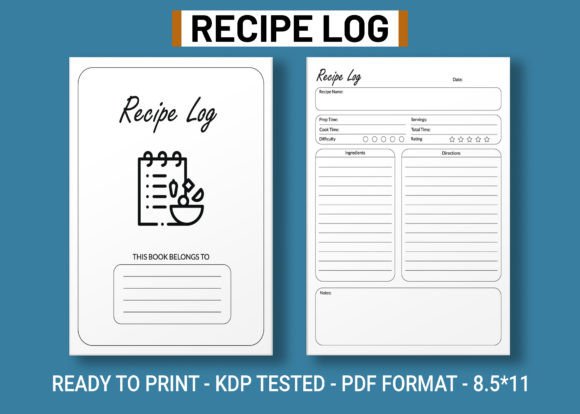
While many templates exist, a professional Recipe Log KDP Interior is designed with publishers in mind from the outset. It addresses the specific technical and aesthetic needs of a recipe book. The core value lies in its completeness and readiness. Instead of starting from a blank page or adapting a generic layout, you begin with a structure already optimized for the task. This shifts your focus from tedious design logistics to the creative and business aspects of your project—finalizing your recipes, writing engaging introductions, and connecting with your audience.
Consider the typical hurdles: calculating page counts, setting up consistent margins for printed books, creating a visually pleasing recipe entry format, and ensuring files meet platform specifications. A pre-built interior solves these problems systematically. The digital files are already done for you, which means you can bypass weeks of learning design software or hiring a designer. This is particularly beneficial for professionals, food bloggers, and hobbyists who possess deep culinary knowledge but may lack technical design expertise.
What You Receive: The Practical Components
The included files are chosen to cover the entire workflow from editing to final upload. Understanding what's included clarifies how it streamlines the process.
- Editable AI File: This Adobe Illustrator file offers the greatest flexibility. If you or a designer wish to customize colors, fonts, or layout elements, this source file allows for precise modifications. It's the foundation for making the interior uniquely yours.
- PDF Files for High-Resolution Print: These are typically the final files you upload to KDP. They are pre-configured at high resolution, ensuring your printed book maintains sharp text and clean graphics. This ready-to-use format eliminates the risk of generating incorrect PDF settings, a common stumbling block for new publishers.
- PNG Files at High-Resolution: These can be useful for marketing or for referencing individual page designs. They offer a visual snapshot of the layout.
- Standard Size (8.5" x 11"): This is a standard and popular trim size for cookbooks and recipe journals in many markets, making it a safe and familiar choice for readers.
- 120 Total Pages: This provides ample space for a substantial collection of recipes, introductory material, and perhaps sections for notes. It offers a clear starting framework for planning your content.
- Intro Page: A dedicated introduction page is crucial for establishing your voice and connecting with the reader. Having this page designed within the set ensures your book starts professionally.
- KDP Tested with Bleed: This is a critical technical note. "Bleed" refers to the design where background colors or images extend beyond the trim edge to prevent unwanted white borders after cutting. An interior marked as "KDP tested" and "READY TO UPLOAD" indicates it has been validated against Amazon's often stringent formatting requirements, significantly reducing the chance of upload errors or print-quality issues.
Key Benefits for the Modern Publisher
The true advantage of using a Recipe Log KDP Interior is its impact on your efficiency, confidence, and final product quality.
Recovering Time for Core Creative Work
Time is a non-renewable resource for entrepreneurs and creators. By providing a ready-made, tested interior, these files save dozens of hours. This reclaimed time can be invested in more valuable activities: perfecting recipe instructions, sourcing better photography, conducting final proofreads, or building a launch strategy. For a small business owner publishing a family cookbook or a chef releasing a professional guide, this efficiency directly supports the project's commercial and artistic goals.
Reducing Technical Risk and Anxiety
Uploading a book interior to KDP involves navigating specific guidelines for margins, bleed, and file type. A mistake can lead to rejection, delayed launches, or poor print quality that disappoints customers. A pre-tested interior acts as a safeguard. It provides a known, stable foundation that complies with platform standards. This reduces anxiety for first-time publishers and ensures a smoother path to market for experienced ones who want to avoid reinventing the wheel for each project.
Ensuring a Professional Presentation
A well-designed interior lends credibility. A recipe book with haphazard formatting, inconsistent spacing, or unclear headings can undermine the reader's experience, even if the recipes are excellent. The structured layout of a professional Recipe Log KDP Interior ensures clean typography, logical organization, and a harmonious visual flow. This professional presentation strengthens your book's perceived value, supports positive reviews, and enhances reader satisfaction.
Who Benefits Most from This Approach?
This solution is particularly fitting for certain groups. Food bloggers aiming to monetize their expertise by offering a physical compendium of their best work will find it accelerates the publishing step. Freelance chefs or culinary educators creating textbooks or workshop materials can use it to produce polished supplements quickly. Hobbyists compiling recipes for family, community groups, or fundraising can achieve a professional result without needing professional design skills.
It is also worth considering the fit. If you envision a highly unconventional, artistic recipe book with complex graphic layouts, a standardized interior might require extensive modification via the editable AI file. Similarly, if your book is very short (under 50 recipes), the 120-page framework might feel excessive, though it can be adapted. In most cases, however, for standard recipe journals, family cookbooks, and themed recipe collections, this type of interior provides an ideal starting point that balances flexibility with convenience.
Moving Forward with Your Project
When you acquire a Recipe Log KDP Interior, the recommended next step is to map your content to the provided structure. Review the intro page and sample layouts. Populate the editable file with your recipes, or if you prefer, work directly within the provided PDFs by adding your text using appropriate software. The key is to use the system as a robust scaffold, not a rigid cage. Its purpose is to handle the repetitive design decisions, freeing you to infuse the book with your unique culinary voice and knowledge.
In the landscape of self-publishing, tools that eliminate friction are invaluable. A Recipe Log KDP Interior serves precisely that function. It translates the complex technical requirements of book printing into a simple, manageable package. By addressing the design and formatting challenges upfront, it allows publishers—whether professionals, entrepreneurs, or passionate hobbyists—to dedicate their energy to what matters most: sharing great recipes with the world.