Unlock Your Creativity with Printable Notebook Templates
There is a quiet but powerful tool that sits at the foundation of many creative projects: the notebook. It's a space for raw ideas, structured planning, and the messy, beautiful process of bringing thoughts to life. For creators, educators, and entrepreneurs, a well-designed notebook isn't just paper—it's a framework for productivity and a canvas for inspiration. This is where a collection of printable notebook templates becomes indispensable, offering not just pages, but a starting point for organized creativity.
Beyond Blank Pages: The Power of a Template
A traditional notebook offers a blank slate, which can be liberating but also daunting. A template provides subtle architecture. It guides your thinking without restricting it, offering designated areas for goals, weekly plans, project sketches, or content brainstorming. This structure is particularly useful for individuals juggling multiple roles—the blogger who is also a marketer, the educator running a small business, or the freelancer managing several client projects. By starting with a template, you save the mental energy of designing your layout every time and instead invest that energy directly into the content itself.
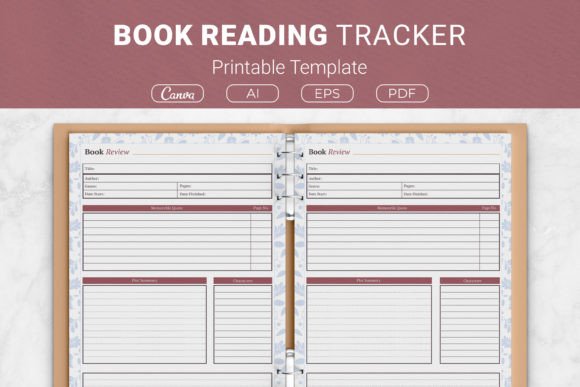
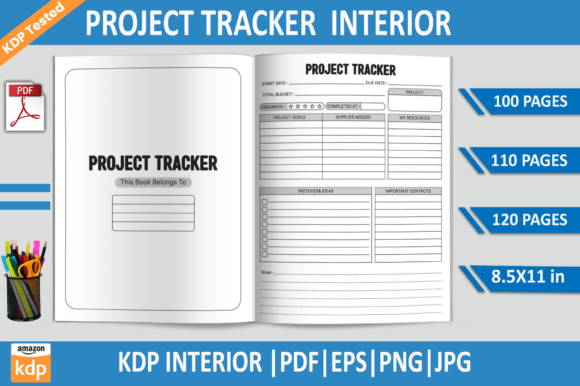
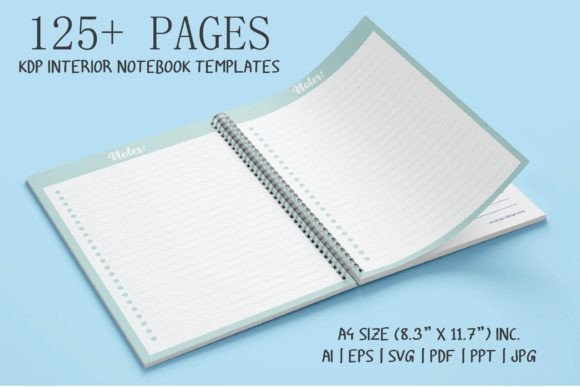
The value lies in the ready-made format. A high-resolution, print-ready template set, compatible with major publishing platforms, allows you to focus entirely on filling it with your unique ideas. Whether you prefer the flexibility of an editable Illustrator file or the convenience of a PDF ready for upload, having multiple file types means you can work in the software you know best. This practical foundation turns abstract creativity into tangible output.
Adapting Templates for Diverse Creative Goals
The true potential of notebook templates is unlocked through adaptation. The same core template can serve vastly different purposes depending on the user’s intent and audience.
A content creator or blogger might use a page layout to map out a monthly editorial calendar. Headings could become content themes, bullet points transform into keyword lists, and blank spaces serve as areas for sketching thumbnail ideas. The consistency of the template across weeks or months creates a coherent overview of their content strategy, making it easier to spot gaps and maintain a steady publishing rhythm.
For an entrepreneur or small business owner, these templates can become a business development hub. Pages can be repurposed for tracking quarterly objectives, logging client feedback, or brainstorming product variations. The clean, professional design of the templates ensures that these business notes remain clear and organized, which is crucial when reviewing them for strategic decisions.
Educators and trainers can leverage templates for curriculum planning, workshop outlines, or student progress tracking. A structured page helps break down a complex lesson into manageable modules, ensuring all key components are covered. The printable aspect means these plans can be easily shared with colleagues or kept as a physical reference during teaching sessions.
Even hobbyists and personal project enthusiasts find immense value. A template for a craft project can include sections for material lists, step-by-step instructions, and design modifications. This turns a fleeting idea into a documented, repeatable process, deepening the engagement with the hobby.
Maintaining Originality Within a Structure
A common concern with templates is the fear of losing originality. However, a template is a starting shell; your content is the unique core. The key is to use the structure as a guide, not a constraint.
Begin by identifying the core elements of the template that are most useful for your project—perhaps the header space for a project title or the grid layout for a mood board. Then, consciously customize the rest. Use colors, annotations, sketches, and your specific terminology to make it your own. If you're using the editable vector files, you can even modify the template's lines or sections before you begin filling it, creating a hybrid that perfectly suits your workflow.
For results that are clear and audience-friendly, especially if you're creating notes for a team or clients, consistency is your ally. Using the same template across related projects creates a familiar visual language. This makes your notes easier for others to understand and follow, enhancing collaboration and communication.
Practical Applications and Project Ideas
To move from concept to action, consider these concrete applications for a versatile notebook template set.
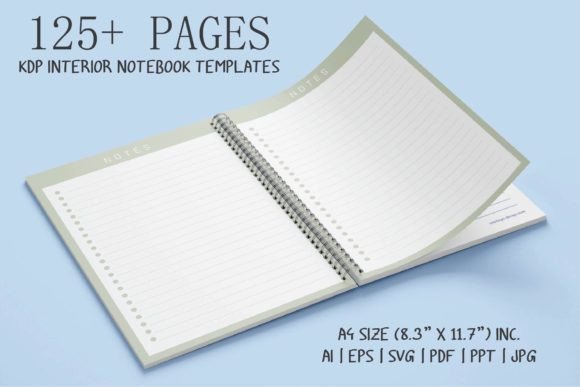
- Digital Product Planning: Use the A4-sized pages to layout the chapters or sections of an eBook, online course, or downloadable guide. The non-bleed design is ideal for clean digital formatting.
- Marketing Campaign Tracker: Dedicate pages to individual campaigns. Log launch dates, content assets, target channels, and performance metrics in the structured sections.
- Creative Portfolio Development: Sketch out portfolio categories on one page, list completed projects on another, and use blank areas to jot down ideas for new work to showcase.
- Personal Learning Journal: Adapt pages for tracking progress in a new skill. Record resources, practice sessions, key learnings, and next steps.
- Event or Workshop Coordination: From guest lists and schedules on one page to logistical notes and budget breakdowns on another, a template keeps all event details cohesively organized.
The inclusion of multiple format types—from AI and EPS for deep design editing to PDF and JPG for quick printing or digital sharing—means you can choose the right tool for each phase of your project. The editable source files allow for true customization, while the ready-to-upload PDFs streamline the final publishing process on platforms like Amazon KDP.
Building a Sustainable Creative System
Ultimately, these templates are more than a single download; they are a component of a sustainable creative system. By providing a reliable, reusable foundation, they help combat the chaos of unstructured creativity. They encourage you to capture ideas immediately in a logical place, which prevents loss and fosters development.
For the freelancer managing multiple clients, having a dedicated template for each project ensures no detail is forgotten. For the marketer analyzing data, a consistent logging format makes trend-spotting easier. For the designer brainstorming concepts, a template page can hold both rough sketches and refined notes side-by-side.
The goal is not to make every page look the same, but to make your process more efficient and your output more intentional. By starting with a clear framework, you free up mental space to focus on what truly matters: the quality of your ideas, the depth of your content, and the connection with your audience. This balance of inspiration and practical guidance is what turns a simple template into a catalyst for meaningful, organized creation.