The Watercolor Snowman in a Winter Wonderland: Unlocking Its Full Creative Potential
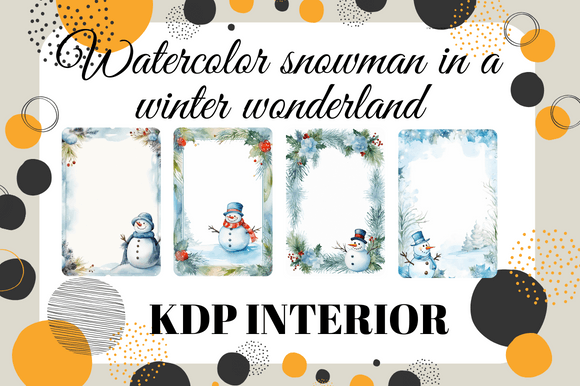
Among the vast sea of digital assets, a beautifully crafted illustration like the Watercolor Snowman in a Winter Wonderland stands out. This isn't just another seasonal graphic; it's a versatile PNG file set with a specific aesthetic—soft watercolor textures, a cohesive blue-and-white palette, and a charming focal snowman adorned with a classic blue top hat and carrot nose. The true value, however, lies not just in downloading these files but in understanding how to use them effectively to elevate your projects. Many creators, from bloggers marketing holiday content to educators designing classroom materials, rush to apply such elements without a strategic approach, which leads to common, easily avoidable pitfalls.
Overlooking the Compositional Intent of the PNG Files
A frequent oversight is treating the four PNG files as simple, interchangeable stickers. The description notes a "vertical orientation with a large blank space in the center for copy." This is a deliberate design choice, not an accident. The illustrator created this space for your text, headline, or logo. Filling the entire center with more graphical elements or using the file in a cramped layout squanders its primary utility. The result is a cluttered, unbalanced final piece that fights against the illustration’s own harmony.
Better Approach: Before you even place the file into your design software, plan your copy. Use that central negative space as your anchor. For example, if you’re creating a winter sale banner for a small business, place your key promotional message (“Holiday Sale – 30% Off!”) cleanly within that open area, ensuring it’s legible against the soft background. This respects the artwork’s structure and creates a professional, integrated composition rather than a chaotic collage.
Misjudging the Scalability and Quality Expectations
Since these are PNG files, they offer transparency, which is excellent for layering. However, a common misunderstanding is assuming they are infinitely scalable without quality loss. While PNGs are lossless, they are provided at a fixed resolution. Enlarging them significantly for a large-format print poster, for instance, will likely cause pixelation or a noticeable drop in detail, making that charming snowman look blurry and unprofessional.
Practical Check: Always confirm the dimensions of the files you download. Before committing to a project, test the file at your intended output size. If you need a much larger version for physical printing, you may need to seek out the illustration in a vector format or use it as a smaller decorative element rather than the main hero image. This pre-check saves time and prevents the disappointment of a low-quality final product.
Neglecting the Cohesive Color Palette
The "predominantly blue and white" palette is a powerful design tool. Yet, many users immediately introduce clashing colors from their brand or project without adaptation. Throwing bright red or neon green text onto this serene winter scene can create visual discord, weakening the emotional tone and making your content feel jarring instead of festive.
How to Avoid This: Embrace and extend the given palette. Use shades of blue for your typography, borders, or additional subtle elements. If you must introduce another color, choose one that complements the cool tones—perhaps a soft silver or a very muted winter berry hue. This maintains the illustration’s atmosphere. For a marketer creating an email campaign, using blue-themed buttons and headers alongside the Watercolor Snowman in a Winter Wonderland creates a unified, trustworthy brand experience.
The "One-Size-Fits-All" Application Mistake
Treating this illustration as a universal solution for any winter-themed need is a recipe for mediocre results. Its watercolor style conveys warmth, nostalgia, and artistry. Using it for a formal, data-heavy corporate winter report or a high-tech gadget advertisement would likely miss the mark, confusing the audience about your message’s tone.
Constructive Advice: Match the asset’s style to your content’s intent. The Watercolor Snowman in a Winter Wonderland is perfect for personal blogs, creative hobbyist projects, holiday greeting designs, children’s educational materials, or small businesses aiming for a friendly, handmade aesthetic. Evaluate your project’s emotional goal first. If you need sleek and modern, this might not be the right choice, saving you from a misstep that affects audience perception.
Failing to Leverage the Four-File Set Strategically
You receive four PNG files. The unthinking approach is to use just one (often the most detailed scene) and ignore the others. Those additional files likely contain variations—perhaps the snowman alone, trees isolated, or different compositional elements. This overlooks opportunities for creating cohesive branded materials across multiple touchpoints.
Imagine a freelancer designing a holiday suite for a client: a social media post, a newsletter header, and a printable coupon. Using different but related files from the set for each item creates visual consistency without monotonous repetition. The snowman close-up could be perfect for a profile picture icon, while the full scene anchors the newsletter. This strategic use boosts efficiency and project quality without extra cost.
Ignoring Copyright and Usage Context
A critical, often rushed step is skipping the license terms. Is the Watercolor Snowman in a Winter Wonderland for personal use only, or does it include commercial use? Can it be used in digital products for resale? Applying it without this knowledge risks legal issues and project delays. For entrepreneurs and marketers, this is a foundational business practice, not just a creative detail.
What to Check Before Using: Always locate and read the license provided by the creator or marketplace. If it’s unclear, seek clarification. Assume nothing. This due diligence protects your work and ensures you can use the asset with confidence, whether for a blog post or a product you’re selling.
Underestimating the Power of Simple Editing
Many beginners accept the file exactly as downloaded, even when a minor adjustment could massively improve integration. The watercolor style often means the edges are soft, not hard-cut. You might need to gently adjust the brightness or contrast to make it sit perfectly on your specific background, or use a clipping mask to blend it seamlessly into your layout.
Realistic Example: An educator placing the illustration on a brightly colored worksheet might find the snowman looks faded. A simple, slight increase in contrast within a tool like Canva or Photoshop can make it pop without losing its watercolor charm. This proactive, light touch editing elevates the final result, demonstrating a professional level of care in your presentation.
Ultimately, the Watercolor Snowman in a Winter Wonderland is more than a decoration; it’s a design component with inherent strengths and considerations. By avoiding these common misapplications—from ignoring its built-in layout to misusing its color story—you unlock its true potential. The goal is to move from simply using an illustration to collaborating with it, allowing its artistry to enhance your message without conflict. Whether you’re a blogger seeking engaging visuals, a hobbyist crafting personal gifts, or a marketer building a seasonal campaign, this mindful approach leads to more effective, satisfying, and professional creative outcomes every time.