Number Search Puzzles: A Universal Tool for Mindful Engagement
Think of the quiet satisfaction of finding a pattern, the focused attention of scanning a grid, and the simple joy of completion. That’s the core experience of a number search puzzle. Unlike word searches, these puzzles challenge you to locate sequences of digits within a dense grid of numbers. It’s a deceptively simple concept that opens a world of practical application, from classroom learning tools to personal wellness aids and commercial products.
What Exactly is a Number Search Puzzle?
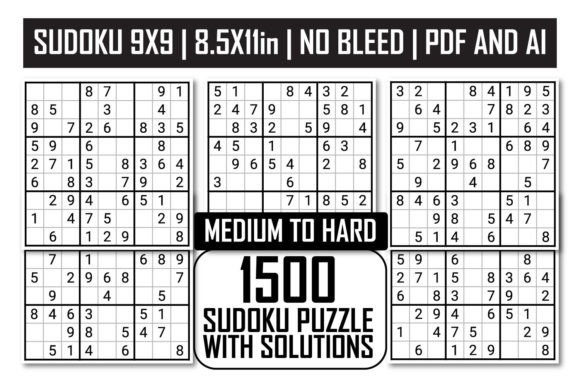
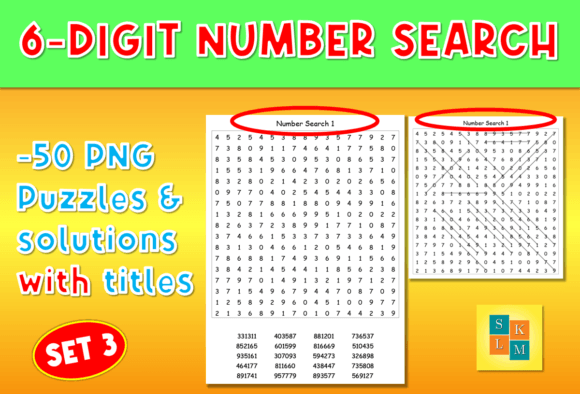
A number search puzzle presents you with a large grid, typically filled with random digits. Your task is to find and mark specific number sequences listed alongside the grid. For example, you might be searching for "649285" or "103752" within the clutter. Finding these strings requires visual scanning, pattern recognition, and a bit of patience. The beauty lies in its abstraction; it’s not about vocabulary or trivia, but pure cognitive engagement with symbols. This makes it uniquely accessible across languages, ages, and skill levels.
The Real-World Power of a 50-Puzzle Set
Consider a curated collection like the "50-number search puzzles 6 digits set 3." This isn’t just a bundle of games; it’s a versatile resource kit. The inclusion of two formats—one with titles and one without—is a thoughtful touch for different use cases. Titles can provide context or theme, while the untitled version offers pure, unlabeled activity. The paired solution files are essential for verification or instructional purposes. When you have 50 unique puzzles at your disposal, the potential applications multiply.
Scenarios and Audiences: Where These Puzzles Thrive
Let’s move beyond “it’s fun” and look at specific situations where this puzzle set becomes a valuable tool.
Educational Environments: Classroom & Homeschooling
In a math class, these puzzles aren’t just a filler activity. Searching for 6-digit numbers reinforces number recognition, especially for larger numerals, and improves visual tracking skills. Teachers can use them as a warm-up to settle a busy classroom, a quiet group activity, or even tie them into lessons on number patterns and sequences. For homeschoolers, they offer a structured yet flexible cognitive exercise that can be easily integrated into the day. The puzzle-with-title set might be used for themed weeks (e.g., “Search for numbers ending in 5”), while the untitled set provides endless practice material.
The Creative Marketplace: KDP, Etsy & Digital Sellers
For creators on platforms like Amazon KDP (Kindle Direct Publishing) or Etsy, this 50-puzzle set is raw material for products. It could be formatted into a printable workbook for adults, a digital download for “busy books,” or part of a larger activity pack for seniors. The commercial advantage is clear: you’re offering a substantial volume of content (50 puzzles) with professional-ready solutions. The zipped file structure means you have both a consumer-ready version (with titles) and a designer-friendly version (without titles) for further customization. It’s a resource that saves hours of design time.
Lifelong Benefits: From Kids to Seniors
The appeal truly spans generations. For kids, it’s a screen-free challenge that builds concentration without feeling like academic work. Adults often use these puzzles as a mental palate cleanser—a short break from work that engages a different part of the brain without the pressure of learning something new. For seniors, number search puzzles are a fantastic tool for maintaining cognitive agility, visual acuity, and focus. The 6-digit length offers a meaningful challenge without being overwhelming. In senior care settings or at home, these can promote quiet, individual engagement.
Practical Considerations Before Using or Selling
While versatile, thinking through a few points will help you apply these puzzles effectively.
- Audience Appropriateness: The 6-digit search is intermediate. It’s more challenging than a 3-digit search but less abstract than an 8-digit one. Assess if this difficulty matches your target users’ ability and patience.
- Presentation Matters: How you bundle or present the puzzles changes their impact. Selling them as a “stress-relief activity book” targets adults; marketing them as “math skill builders” targets educators. The included titles in one set can help with that thematic framing.
- Physical vs. Digital: These puzzles shine in both formats. Printed, they offer a tactile experience. Digital, they can be reused on tablets or printed at home. The zipped file structure supports both paths.
- Complementary Use: These puzzles rarely stand alone. They are often most effective paired with other activities—perhaps as one section in a larger puzzle book, or rotated with different brain games throughout a week.
Observing the Strengths and Limits
The core strength of number search puzzles is their focused simplicity. They demand attention but not prior knowledge. This makes them inclusive. They are also highly scalable; you can easily adjust grid size or digit length to suit different needs. The provided set with 50 puzzles offers variety, preventing monotony.
A potential limitation is that they are primarily a solitary, quiet activity. They aren’t typically used for loud group interaction or verbal collaboration. Also, the benefit is cumulative and experiential—the value comes from regular engagement rather than a single puzzle’s completion. For a seller, this means emphasizing the volume (50 puzzles) ensures sustained use.
The Universal Appeal: Why We All Love Puzzles
At its heart, the success of a number search puzzle taps into a fundamental human trait: we are pattern-seekers. Completing a puzzle provides a micro-achievement, a clear task with a clear end. In a world of open-ended problems and digital noise, that controlled challenge is refreshing. Whether you’re a teacher looking for a classroom resource, a caregiver seeking engaging activities, or an entrepreneur building a digital product, a robust set of 50 puzzles is a practical asset. It’s a tool that serves many masters, all through the simple, universal language of numbers.