A Comprehensive Guide to Using 150 Cute Rabbit Coloring Pages for Kids in Your Publishing Workflow
For creators and entrepreneurs in the self-publishing space, particularly on platforms like Amazon Kindle Direct Publishing (KDP), efficiency and quality are paramount. The project of designing a high-content book interior can be a significant hurdle, consuming time and creative energy that could be better spent on marketing or developing other products. This is where a ready-made asset like the 150 Cute Rabbit Coloring Pages for Kids collection becomes a strategic tool, not merely a product, but a component integrated directly into a professional workflow.
Understanding the Asset and Its Role in KDP Publishing
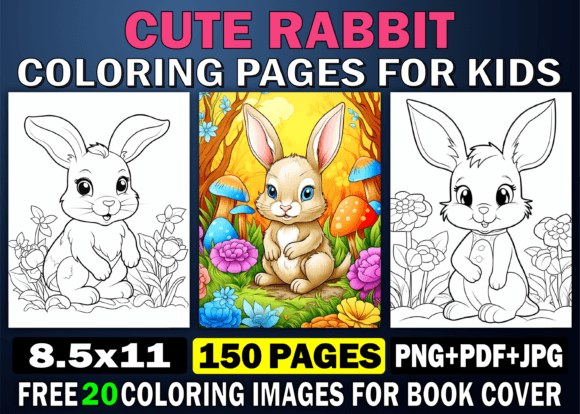
The 150 Cute Rabbit Coloring Pages for Kids package is a digital resource designed specifically for book interiors. It consists of 150 unique, high-resolution illustrations in a consistent theme—adorable rabbits in various scenes and styles. The key specifications—8.5” x 11” dimensions, 300 DPI resolution, and the provision of files in PDF, PNG, and JPG formats—are not arbitrary. They are calculated to match the technical and commercial requirements of the Amazon KDP platform. This alignment means the asset is pre-vetted for compatibility, reducing the risk of formatting errors or quality issues during upload.
Where does this fit into a broader publishing process? It sits at the core of the content creation phase. For an author or publisher, the process typically involves: market research, concept development, content creation, formatting, cover design, and finally, listing and marketing. This coloring page collection effectively eliminates the most labor-intensive part—the original illustration of 150 pages. By integrating this ready-made interior, you pivot your workflow from creation to assembly and enhancement, allowing you to allocate resources to other critical stages such as crafting a compelling book description, sourcing a complementary cover, or planning a launch strategy.
Preparation and Integration into Your Production System
Successful integration begins with preparation. Upon receiving the .zip file, the first practical step is organization. Extract the files and sort them by format. The PNG and JPG files offer flexibility; you might use them to create a sample preview for your Amazon listing or for social media marketing. The PDF file, being print-ready, is often the primary file you will upload as your book’s interior. Before any upload, however, conduct a quality control check. Open several files at random, zoom in to verify the 300 DPI clarity, and ensure the black-and-white line art is clean and free of unintended grayscale artifacts. This quick audit prevents downstream issues.
The package includes a notable bonus: 20 coloring images for the book cover. This is a direct example of how the asset interacts with other components of your project. You are not just receiving an interior; you are receiving a visual library that can ensure brand consistency across your entire product. Using one of these rabbit designs for your cover creates a cohesive look from the exterior to the interior, a subtle but professional touch that enhances the product's perceived value. This interaction between interior asset and cover design is a workflow efficiency often overlooked.
Building a Unique Book Around the Core Assets
A common concern with using pre-made interiors is the fear of producing a generic book. The 150 Cute Rabbit Coloring Pages for Kids collection mitigates this by being a foundation, not a finished product. Your workflow now shifts to making it unique. Consider these implementation tips:
- Sequencing and Themes: Analyze the 150 pages. You might group them into informal sections—rabbits in gardens, rabbits with friends, sleeping rabbits—and add a simple table of contents or section headers to give the book structure.
- Complementary Content: Add value by writing a short, engaging introduction for children, or include a few pages at the beginning with coloring tips, rabbit facts, or a simple story. This blends your original input with the provided assets, creating a hybrid product that feels more authored.
- Formatting for Print: While the PDF is print-ready, you might use software like Adobe Acrobat or a free PDF editor to add a copyright page, your author biography, and a final “Thank You” page. This final polishing step is where you stamp the book with your own publishing identity.
Long-Term Use and Business Scalability
For the entrepreneur, this asset is not for a single project. Its long-term use lies in scalability and brand development. Once you successfully publish one rabbit coloring book, you understand the workflow. You can then replicate it with minor variations. Perhaps you use the same interior but pair it with a completely different cover style for a seasonal promotion (e.g., “Springtime Bunnies”). Alternatively, the 20 cover images provide a starting point for a series—if you publish multiple coloring books, using a consistent visual style for covers, even across different themes, can help build recognizability for your KDP brand.
The efficiency gained here is substantial. Instead of spending weeks drawing or commissioning illustrations, your process for launching a new coloring book can be condensed into days, focused on assembly, marketing, and listing. This allows for a more agile response to market trends or testing of different niches without the upfront cost and time of original art creation. The key is to view the 150 Cute Rabbit Coloring Pages for Kids as a production-ready module within your business system.
Practical Considerations for KDP Success
To integrate this smoothly, you must also consider the platform’s rules. The note stating “You can sell on it only Amazon Kindle Direct Publishing” is a crucial license parameter. It defines the scope of your commercial use and must be respected. Within that scope, however, you have full autonomy. When preparing your KDP listing, use the high-resolution images from the pack to create the best possible preview. A clear, zoomable preview that shows the detail and variety of the rabbits can significantly influence a customer's decision.
Finally, think about the end-user workflow—the child and parent using your book. The high-resolution, black-and-white design ensures that when printed, the lines are sharp, and colors won’t bleed into the outlines. The single-page PDF format typical of these interiors is also convenient for parents who might want to print only a few pages at a time rather than the entire book. By providing a quality technical product, you enhance the user experience, which in turn can lead to positive reviews and repeat customers.
From Asset to Finished Product: A Workflow Summary
In practice, a creator’s journey with this asset might follow this integrated path:
- Acquisition and Audit: Download the .zip file, extract and review the files for quality and count.
- Planning and Enhancement: Decide on additional text content, sequence the pages, and select a cover image from the provided 20 options or create a cover that complements the interior style.
- Assembly and Formatting: Compile the final interior PDF by adding your own pages (title, instructions, etc.) to the front of the provided coloring page PDF.
- Platform Preparation: Use the PNG/JPG files to create marketing visuals for social media or Amazon A+ content. Write your listing description, highlighting the number of pages, the cute rabbit theme, and the book’s dimensions.
- Launch and Iteration: Publish the book on KDP. Monitor its performance. The insights gained from this launch, using a pre-made interior, can then inform your next project, whether you use another similar pack or decide to invest in custom artwork for a different niche.
The 150 Cute Rabbit Coloring Pages for Kids high-resolution coloring book page collection is, therefore, more than just a set of pictures. It is a validated, process-optimized component that slot into a professional publishing workflow. It converts the task of content creation from an artistic endeavor into a managerial one, allowing publishers, educators, bloggers, and small business owners to produce a quality product reliably and quickly. By focusing on integration, enhancement, and consistent quality control, you transform this asset into a unique book that serves both your business goals and your customers' needs.